

TLDR
Four films in six weeks broke box office records. Backrooms ($80m opening), Obsession ($150m on a $750k budget), Iron Lung (sold-out cinemas), Send Help (weekend #1).
All four were made by directors who built their audiences online first. Distribution paths varied — A24 took Backrooms theatrical, Focus Features took Obsession, Markiplier ran Iron Lung close to the chest. The audience was already there in every case.
Audience-first filmmaking is no longer theoretical. It is now the operational model.
Every major studio is scouting online creators for director slots. Talent agencies are signing creators on audience, not reel.
The model works for anyone with an audience relationship to build on. Festivals, distributors, indie filmmakers, sports rights holders. Not just YouTubers.
For a decade, the direct-to-fan model has been a talking-point. A panel topic. A “future of the industry” slide. The thing investors nodded along to and studios called interesting and unproven.
Then four films in six weeks put up numbers nobody can argue with.
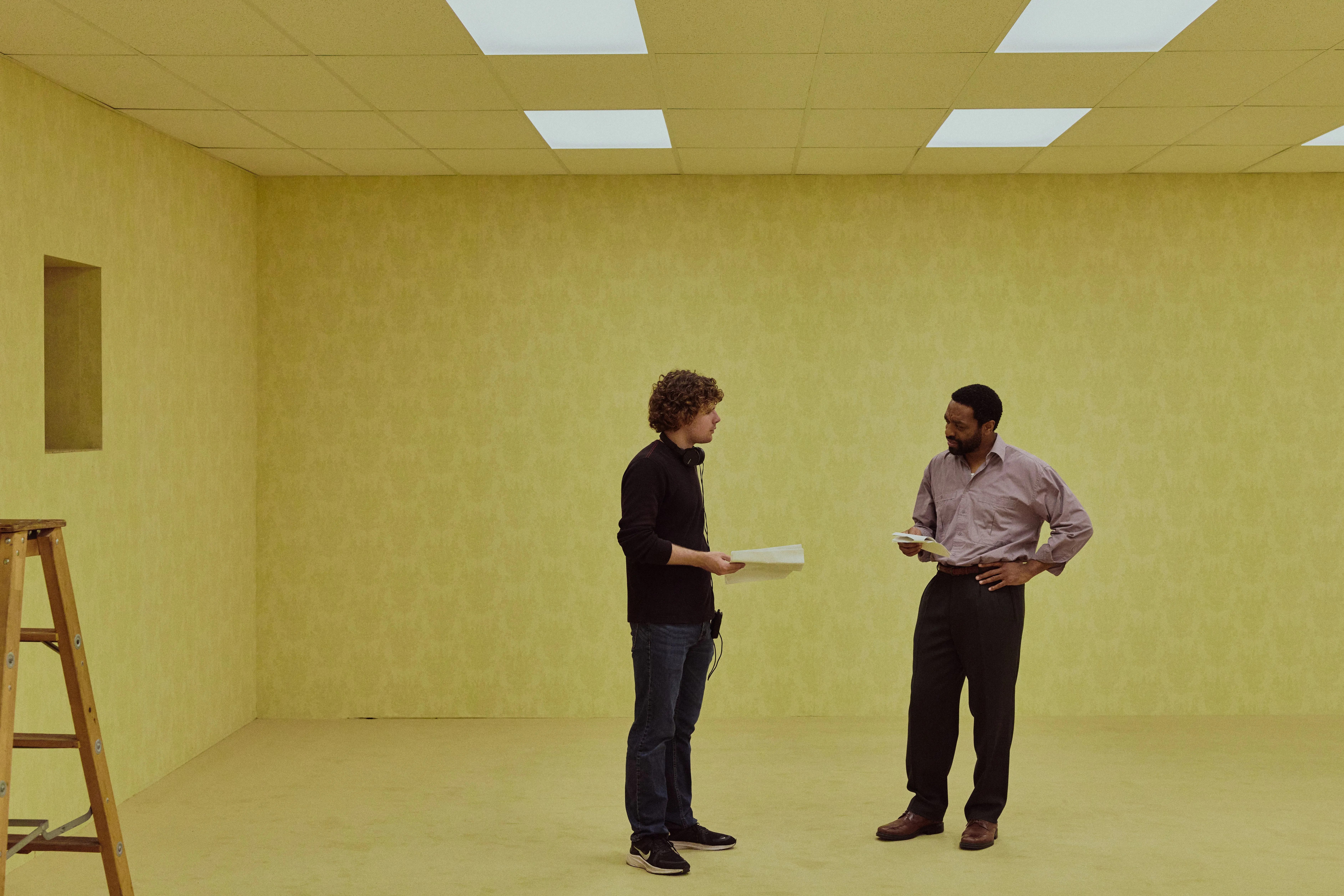
Kane Parsons started The Backrooms as a YouTube series in his bedroom as a teenager. A24 signed him to direct the feature. The film opened to over $80m domestic, beating major studio blockbusters in the same weekend. Variety, Yahoo Entertainment, CBS News Los Angeles and the BBC all ran the same headline.
The headline writes itself. The story underneath is bigger.
Four films, one model, all working
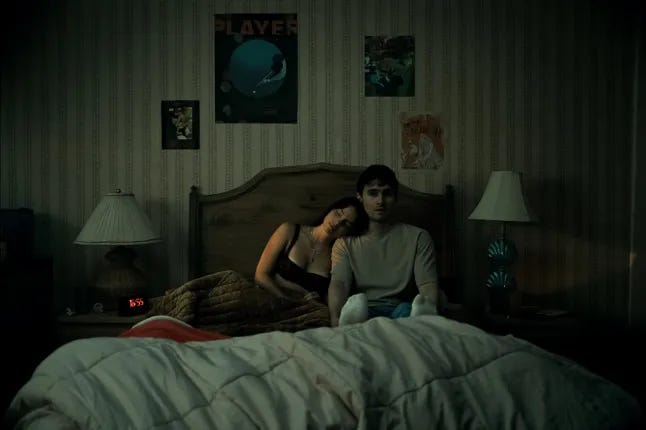
The Backrooms (Kane Parsons / A24) opened to over $80m domestic. The biggest debut of the weekend. Yahoo Entertainment and News8000 led with the number. The Hollywood Reporter went underneath it: YouTube created Hollywood’s new generation of directors.
Obsession (Curry Barker / Focus Features) cost around $750k. It grossed over $150m globally. Metro called it one of the most profitable films of all time. Two-hundred-times return on a film a studio greenlight committee passed on.
Iron Lung (Markiplier) sold out cinemas on a YouTube-only marketing push. No prime-time spot. No traditional press cycle. Just the audience the creator already had. The Times of India and Bleeding Cool covered the home release.
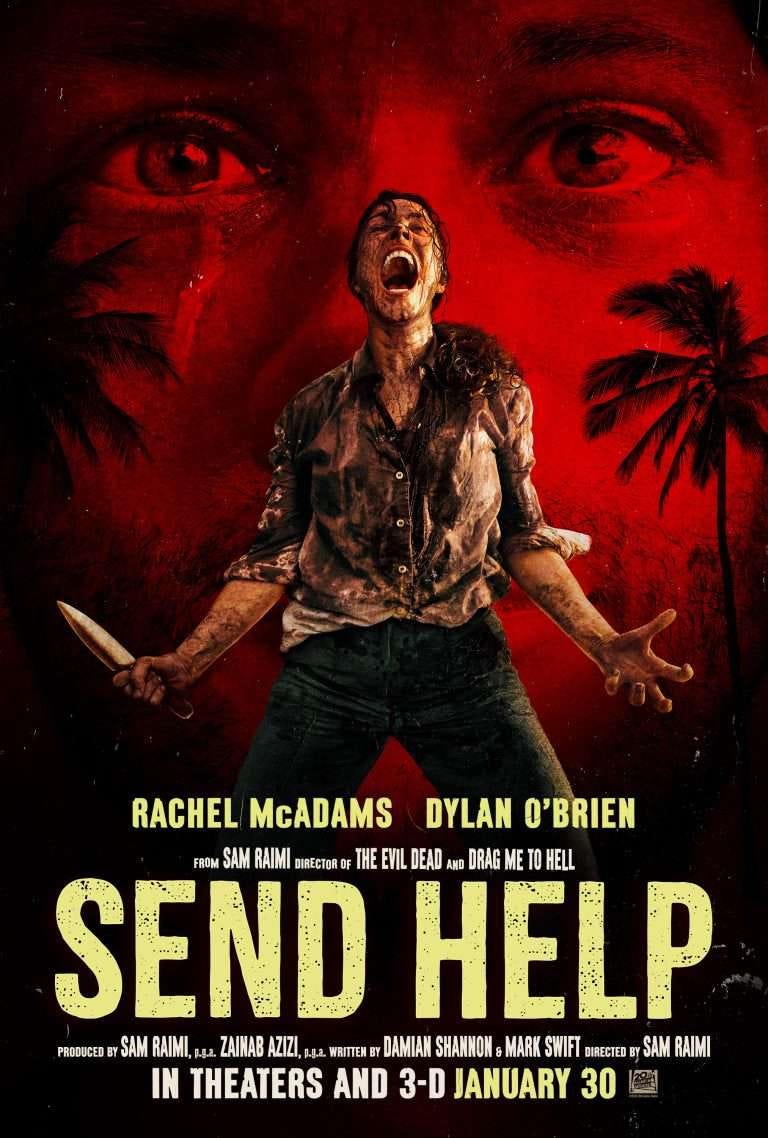
Send Help topped the weekend chart on a fraction of studio spend (Hollywood Outbreak).
The Seattle Times ran the cleanest framing in their headline. A YouTuber’s film beat Melania at the box office. Here’s how.
The “how” is the same in every case. The audience was built direct, long before a single studio got involved. The film converted what the relationship had already earned.
The audience was built direct. The distribution was the choice that followed.
This is the part the industry coverage keeps almost saying and stopping short of.
The reason these films perform is not that YouTubers got lucky. It is that creators who spent years in direct conversation with millions of fans walked into a film release with the audience already built, primed, and converted. Every video in the back catalogue was a piece of marketing. Every comment was a focus group. Every subscriber was a presale.
That is the direct-to-fan audience model. Not a slogan, not a pitch deck. The actual mechanism behind the actual numbers.
How they then chose to distribute varied. A24 took Backrooms to cinemas. Focus Features took Obsession. Markiplier ran Iron Lung closer to himself. Each of those decisions was made from a position of strength, because the audience relationship belonged to the creator first.
What the creator brings is the relationship. The relationship is the asset that beats the marketing budget, beats the cinema chain, beats the gatekeeper. The film is the thing the relationship monetises. The distribution route is the next decision, not the first one.
This is the inversion the industry has been calling “interesting” for ten years. Backrooms, Obsession, Iron Lung and Send Help moved it from interesting to operational.
The era is here. And it’s spreading.
Four films in six weeks is not a fluke. It is a pattern with hundreds more behind it in the pipeline.
Variety flagged this in their feature. Every major studio is now actively scouting online creators for their next director slate. Talent agencies are signing creators on the strength of their audience, not their reel.
The model the industry called experimental for a decade has become the model the industry is racing to operate inside of.
But here is the thing. The model is not “be a YouTuber.” The model is own the audience relationship before you need it. Then choose your distribution from a position of strength. That is reproducible. That is coachable. That is something a festival, a distributor, a documentary maker, a music artist or a sports rights holder can do.
The Backrooms made the door open. The next two posts in this series cover how everyone else walks through it.
For a decade, direct-to-fan distribution has been a talking-point. A panel topic. A “future of the industry” slide. The thing investors nodded along to and studios called interesting and unproven.
Then four films in six weeks put up numbers nobody can argue with.
Kane Parsons started The Backrooms as a YouTube series in his bedroom as a teenager. A24 signed him to direct the feature. The film opened to over $80m domestic, beating major studio blockbusters in the same weekend. Variety, Yahoo Entertainment, CBS News Los Angeles and the BBC all ran the same headline.
The headline writes itself. The story underneath is bigger.
Built for the direct-to-fan era.
Hiway is the infrastructure that puts the audience, the data and the revenue back in the hands of the creator.