

A colourblind cinematographer with 35 years in the business. A 90+-year-old angel who only agreed to a credit if we used a picture of a hawk. A documentary about a youth mariachi band that conquered the world. And a film being released the way films were always meant to be released: straight to the fans.
TLDR
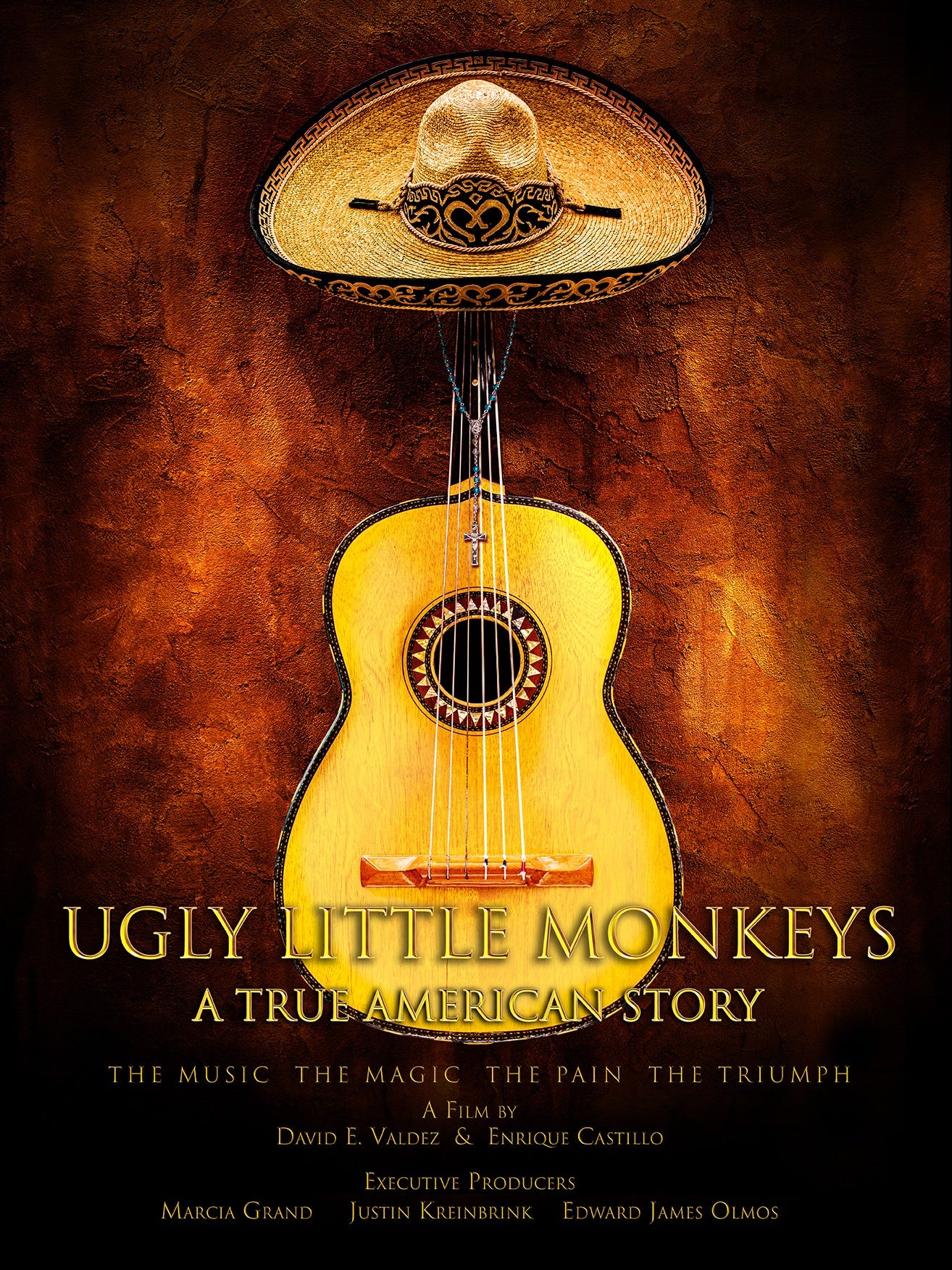
David E. Valdez, executive producer with 35 years in film, is releasing his debut feature documentary Ugly Little Monkeys – A True American Story direct-to-fan on Hiway.
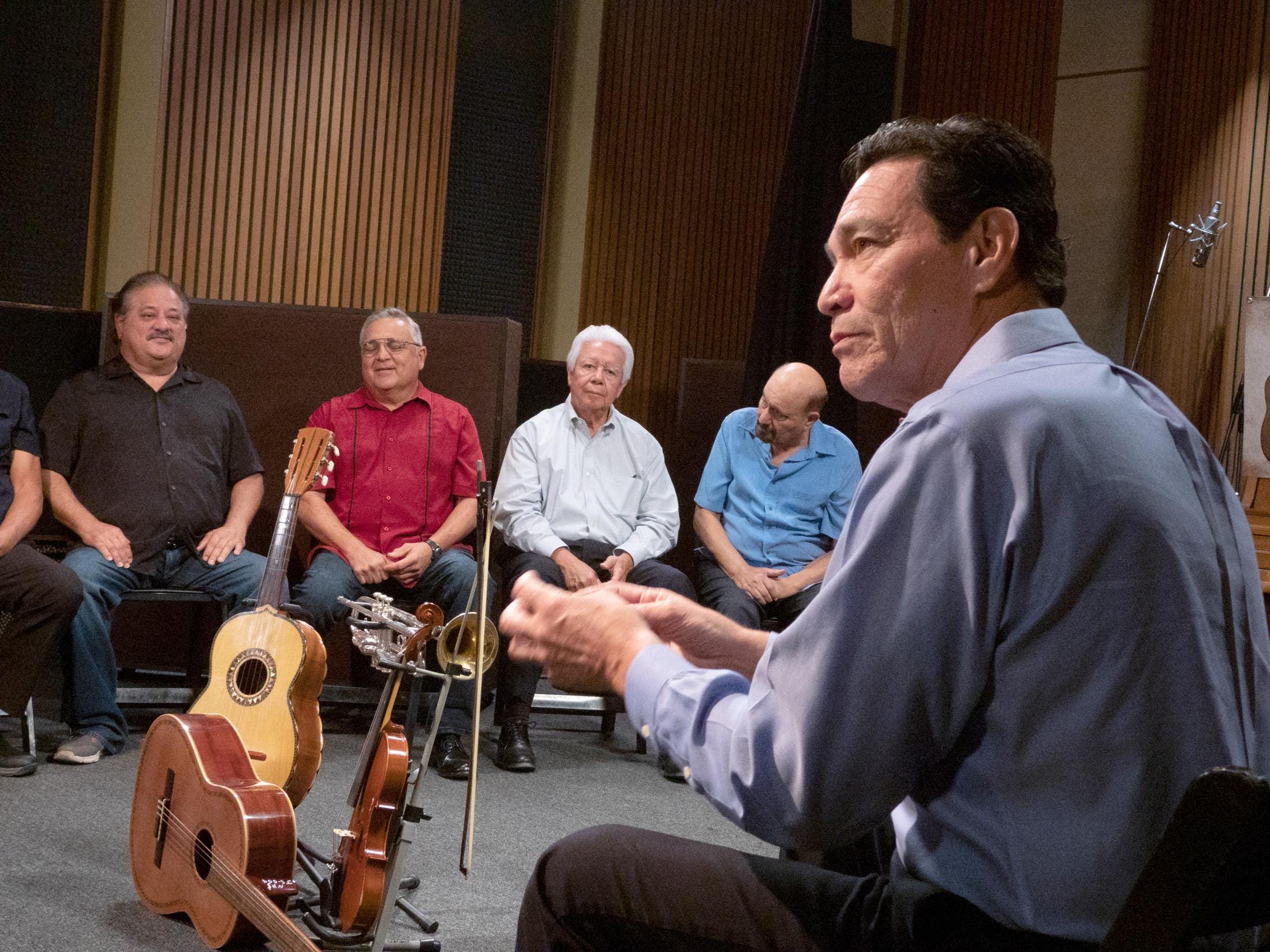
The film tells the story of Los Changuitos Feos de Tucson, the first youth mariachi in the United States, founded in 1964. The group launched the international Youth Mariachi Movement and is still running 60+ years on.
Featuring Linda Ronstadt, Edward James Olmos, and 19 surviving original members.
Passed on Netflix. Chose Hiway. Free distribution into every Mexican consulate on earth is already lined up.
Watch direct-to-fan on Hiway.
There are two Davids on this call.
One of us is in the UK, still buzzing from a weekend his son engineered: Foo Fighters at Anfield, a crazy, brilliant night, the kind of gig you don’t come down from for days. The other is in Los Angeles, an executive producer with thirty-five years in the film business and exactly the kind of believer you want beside you when you are trying to change an industry.
David E. Valdez was the very first person ever to use the Hiway. He liked it enough to become an investor. Now he is using it to do the one thing Hollywood spent a century making impossible: release his own film, on his own terms, to the people who actually want to watch it. His film is Ugly Little Monkeys – A True American Story. Its subject is Los Changuitos Feos de Tucson, the youth mariachi band that lit the fuse on a global movement. The story has triumph, scandal, an angel investor who insisted her only credit be a picture of a hawk, and a buyout deal so bad it should be taught in film schools as a warning. We sat down to talk about all of it.
Colourblind at AFI
David Orman: Let’s start at the beginning, because yours is a proper one. Thirty-five years across motion pictures and television. Where did the love come from?
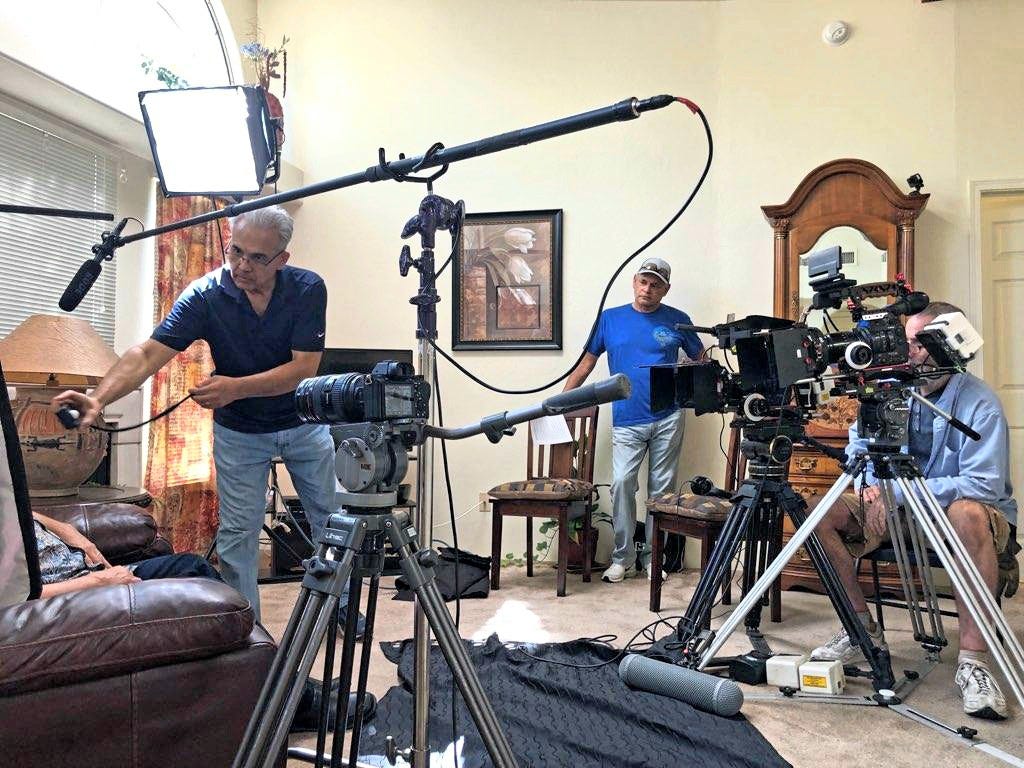
David Valdez: I’ve always had it. I’ve worked as a DP, a camera operator, a first assistant director, a director, in motion pictures and in episodic television. I trained at the American Film Institute and came out with a master’s in cinematography. I have never kept my IMDB page up to date. I know what I’ve accomplished, and others I’ve worked with do too. I’ll share a little secret with you, though. I’m colourblind.
DO: Colourblind. At AFI. For cinematography.
DV: As soon as I graduated, I went to take the membership exam at the American Society of Cinematographers, and the application form included a colourblind test. The moment I saw it I thought, there is no way I’m passing this. So I stood up and walked out. But that never stopped me for a second. I understand the Kelvin colour spectrum, and I also know my filters. In natural light, I could produce a beautiful picture. My first feature was gorgeous.
DO: What was it called?
DV: The Decoy. A western. We shot it on the old mini-DV Canons, the ones that had just come out. Two cameras. It was my joy. And it’s still for sale, packaged with some John Wayne films at Walmart.
DO: A western, shot colourblind on two mini-DV cameras, now sitting next to John Wayne at Walmart. That’s a logline on its own.
DV: And here’s the part that still hurts. The writer-director, a dear friend, Justin Kreinbrink, signed a horrible flat buyout. No residuals. Nothing from any of the sales, ever.
DO: And that, right there, is the entire reason we built the Hiway. Hold that thought.
DV: Believe me, I’m holding it.
“I’m colourblind. I walked out of the cinematographers’ exam. It never stopped me for a second.”
Family first, then functional art
From there, I moved into directing. I was first AD on a Nickelodeon kids’ show in Tucson, Hey Dude, which is still airing, and I worked my way up to director with the same company out of Knoxville, Tennessee. I directed forty-six episodes of a show titled Exploring America Side by Side. I loved it. But I’d just married, just had my first child, and I was travelling far too much.
They offered to move me to Knoxville, and said, “We’ve got eight shows, take your pick.” I couldn’t do it. I wanted my kids to grow up here, in Tucson, with their grandparents, aunts and uncles, their cousins, more importantly, their culture. So, I put family first and took the sacrifice.
DO: Most people say “family first.” You turned down eight shows for it.
DV: I did local work for years, then I burned out completely. And, you’ll laugh at this, I became an artist of functional art. Tables, propane lamps, backyard heaters, and wine racks. I can build and fix just about anything. I did that for about three years, and I was good at it. But I always knew I had bigger things on the horizon. In 2018, I wrote, produced, and directed my first short film. A 14-minute, all-Spanish film titled Sin Vergüenza (Without Shame). It won several awards. That was the proof in the pudding, to my wife and to myself, that I could deliver.
The Ugly Little Monkeys
DO: Which brings us to Ugly Little Monkeys. Set it up for anyone who doesn’t know the story.
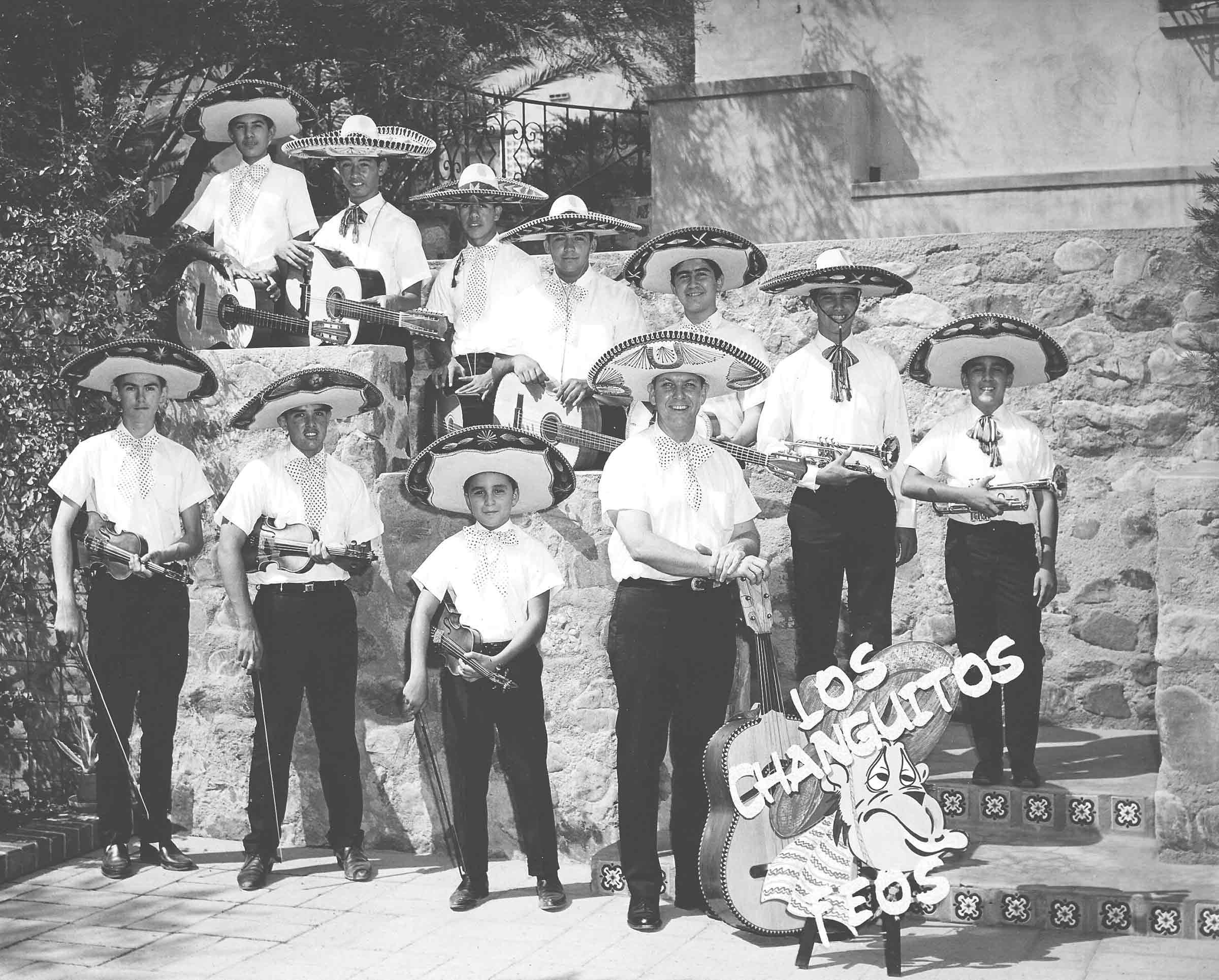
DV: Los Changuitos Feos de Tucson, the Ugly Little Monkeys of Tucson, in English, was the first youth mariachi in the United States. They started in 1964. The name was chosen by the group’s founder, Father Rourke, an Irish Catholic priest. The members and the parents objected because it was a controversial name, but he insisted it stay. These boys perfected the music and travelled everywhere: New York, Chicago, Washington, Disneyland, Universal Studios. They became internationally renowned. They launched what we now know as the Youth Mariachi Movement, which grew from that one local seed in Tucson into an international sensation. The organisation is still alive after more than sixty years.
DO: And your father was part of it.
DV: My father helped start the group. He passed away in 2022. So this film was personal.
DO: How did the film come about?
DV: An original member of the group published a book titled Bless Me, Father, for You Have Sinned. It’s a personal account of what he experienced and witnessed while being in the group. Not only does he share the happy times, but he also exposes the dark side of Rourke’s alcoholism, uncontrollable behaviour, and unforgivable abuse that many of the kids were forced to contend with. After reading the book, the light bulb turned on. I reached out to my good friend, co-director, and narrator, Enrique Castillo, to ask if he’d be willing to come on board to help tell this incredible true story. Being that we both have extensive feature film working experience, with him in front of the camera and me behind the camera, making a documentary was going to be new territory for us. Starting in 2019, working through the pandemic, we finally finished our long version in 2024.
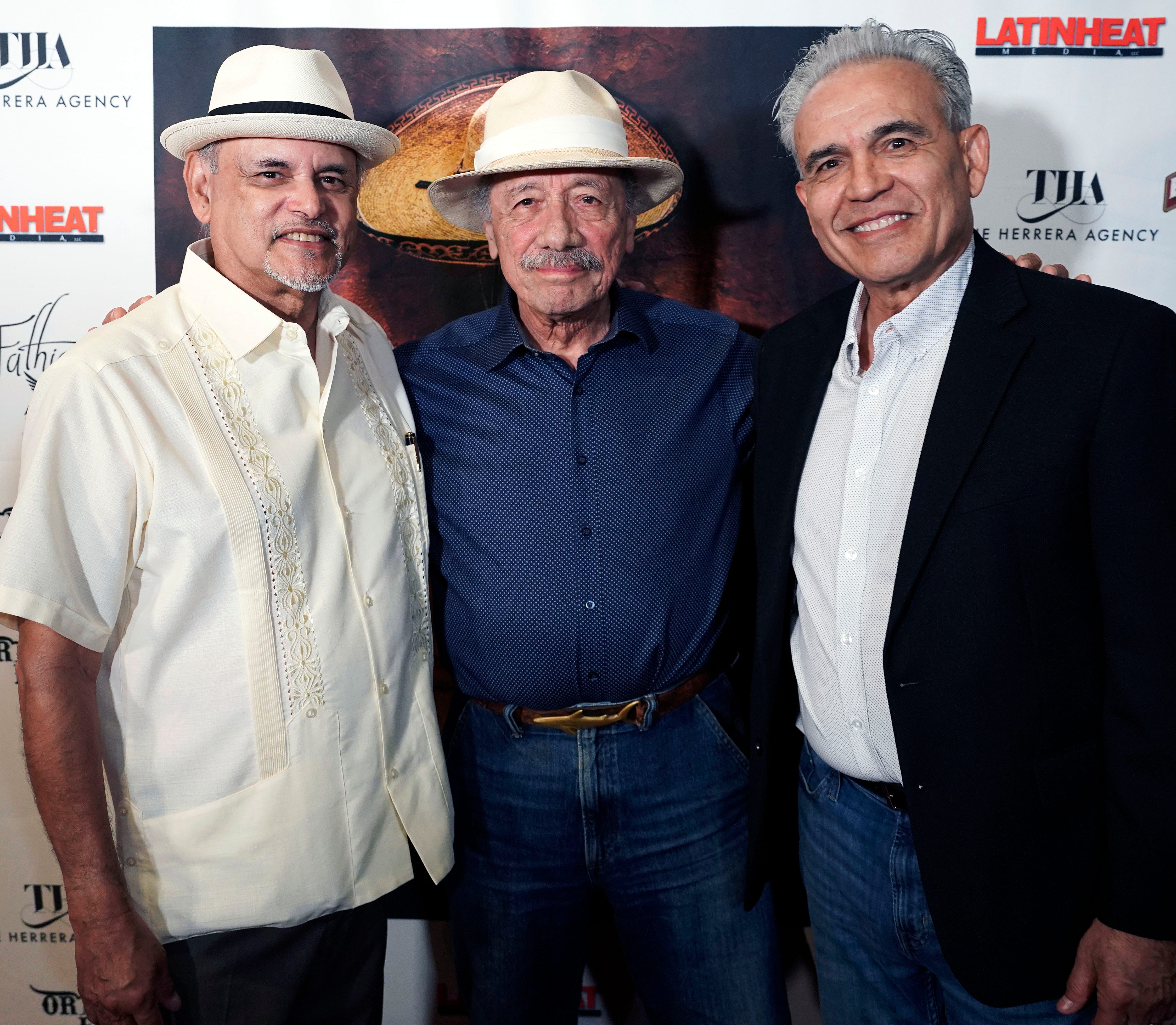
Did I mention that the surviving nineteen original members we interviewed, as well as the gracious multi-Grammy Award winner Linda Ronstadt and the late Rubén Fuentes of Mariachi Vargas, are in the film? Edward James Olmos was also kind enough to accept Enrique’s request to become an executive producer and to introduce the film. None of this would have been possible without the love and respect these members had for my father. He was a mentor to all of them.
DO: And the originals trusted you because of him.
DV: The original members entrusted Enrique and me with their stories because we gave them our word that we would produce a film they’d be proud of, and told them the film would give them the long-overdue credit they deserve and that the dark accounts would not be exploited. It’s a documentary, and we were not going to sugarcoat their story. We had to address the darkness that took place, but with respect and dignity. Our film is about the music, the magic, the pain, and the triumph these boys experienced that helped change American mariachi music as we know it today. It’s a beautiful story that people should embrace.
“It’s about the triumph, the resilience and the humility of what these boys endured.”
The Linda Ronstadt thread
DO: There’s a Linda Ronstadt thread in here too.
DV: The educational mariachi conference these boys helped start in Tucson, Arizona, is still an annual event. Linda Ronstadt attended the first conference. She understood the importance of her culture, and once the mariachi conference was in full swing, she decided to record her first mariachi album, Canciones de Mi Padre, which remains the biggest-selling non-English album in American history.
Not only did Linda grow up in Tucson, but the original members would perform in her family’s backyard. She remembers seeing them once perform there when she was around eighteen years old. She soon left for California, and the rest is history.
Here’s a little side story that’s not in the film. When the members graduated from high school, you were no longer in the Changos. Some who graduated from the group went on to form Mariachi Cobre, which has been performing at the Mexican Pavilion at Disney World Epcot in Orlando, Florida, for over fifty years. One of the original members, now the director of Mariachi Cobre, Steve Carrillo, recorded a duet with Linda on one of her mariachi albums. We are blessed to have her in our film and are forever grateful to her for agreeing to be interviewed.
The angel and the hawk
DO: Now I have to ask about your angel, because this is one of the great stories.
DV: Her name is Marcia Grand. She and her late husband, Richard, have been family friends since the early seventies. It was during this time that my parents were having dinner with them, and she mentioned she was having trouble with one of her driveway lampposts. My dad told her I was a pretty good handyman. So, she calls me to come take a look. Well, I fixed it, and she said, “Oh my gosh, you’re brilliant.” Thirty years later, I’m still the person she calls when she needs something fixed or remodelled.
Little did she know that I had saved enough money to produce my first short film and had added her name as the executive producer. She fell in love with the film and, to this day, watches it every single month.
DO: That’s a serious habit.
DV: Yes, it is. Well, after watching it several times, she said, “Okay, what’s next? I’d like to be a part of it.” I told her about the documentary. She thought it would be honourable because of Dad’s involvement and her love of the story. Again, had it not been for my father, my relationship with Marcia would never have materialised.
Not to get off the subject, but my father, Joel D. Valdez, became the first and longest-serving Mexican American city manager in the US for a city the size of Tucson before retiring after 16 successful years. He was then hired as the Senior Vice President of Business Affairs at the University of Arizona, where he secured funding to build the most structures in the college’s history.
Had it not been for my father, I wouldn’t be speaking to you today. And to add to that, if it wasn’t for Marcia’s trust, love, and financial support, I wouldn’t be where I am today. She’s truly an angel.
DO: She backed the whole film, sight unseen.
DV: She lives a very private life and doesn’t like her name out there. However, she agreed to have her name on our end credits. More importantly, I begged her to be on our Hiway website, which requires a photo. She said, “Okay, you can use my name, but you cannot use my photo.” She’s a bird lover. I suggested placing a bird of her choice in place of her photo. She said, “If you can find a great picture of a hawk, put a hawk on there for me, and let’s call it a day.” Little did she know, I had surprised her with a beautiful yellow rose.
“You can use my name, but no photo. Find me a great picture of a hawk, and let’s call it a day.”
The Netflix decision
DO: Let’s talk about the part where everyone told you, “Put it on Netflix.”
DV: Friends, left and right, were telling me, “You’ve got to put it on Netflix, or on whatever streaming platform.” So, I did my research and realised that if I put it on any major streaming network, it’s just going to get lost. I’d never see the money I feel this film is capable of delivering. Much less, it’s a documentary, which is extremely hard to get into theatres, and there’s a ton of competition trying for the same distribution.
Then our friend Carl Toole from the London Film Fest reached out and said, “I think I have something for you that you’re going to like.” He introduced me to Zach Rothwell at Hiway, and the penny dropped.
“If I’d gone with Netflix, I’d still have had to spend my own money on marketing, because they’re not going to spend it on me. So, I’d be spending the exact same money I’m spending now, except now I get to see who’s buying and who isn’t.”
DV: Now, I make the decisions as my own distributor. I place it where I want. I set the price per country, based on their economy. This is the only platform I know of where I have a real way to make my money back. Bar none. And it doesn’t get lost.
DO: That’s the whole thesis in one breath. You control your own IP. You keep the data, you keep the relationship, you keep the money.
DV: Exactly that.
Mariachi is a global audience
DO: And this is not a niche audience. Tell people how big mariachi really is.
DV: It’s enormous, and most people outside the culture have no idea. UNESCO named mariachi an Intangible Cultural Heritage of Humanity in 2011. The US Southwest alone has thousands of mariachi musicians and hundreds of school programs. There are mariachi groups and devoted audiences across the Americas: Mexico, Colombia, Peru, Venezuela, Argentina, Chile, Cuba, Brazil. There are groups in Spain, Sweden, Croatia, Egypt, Japan and even China. We’re talking about millions of fans on every continent.
That global reach is built into the release. We have seven mariachi groups from around the world in our film. Because the Hiway handles closed captioning, each of those mariachi directors can promote it in their own country, in their own language, because they appear in it. So that’s free marketing in seven countries, soon eight, because the Mexican consulate here has committed to sending the film to every Mexican consulate and embassy around the world for free screenings. Promotional postcards will be handed out to their guests, telling them where to rent, buy, or share the film with friends and family.
DO: Free distribution into every Mexican embassy on earth. That’s a better global rollout than most studios manage.
DV: And it costs me almost nothing.
Everyone who made it, benefits from it
DO: You’ve done something rare with the money, too. Everyone who made this benefits from it.
DV: I operate the way you operate, fair. My co-director and writers are in it. And the original members are in it. They share in the film’s success because they should. It’s exactly what Ben Affleck has been saying lately: the people who make the work should benefit from the work.
There’s a clause that lets each of the original members donate their share straight back to the Chango organisation strictly for scholarships, and most of them are choosing to do exactly that.
DO: Why does that matter so much to you?
DV: Many of the original members never received scholarship funds, because the priest spent everything. They gave me their time and their trust to bring this out. They deserve to be compensated. That’s how I set up the profit sharing from the very beginning, before we started production.
“The people who make the work should benefit from the work. That’s how I set up the profit sharing from the very beginning.”
Why he keeps telling filmmakers about Hiway
DO: You’re our first-ever user, and now an investor. You also keep telling people about the Hiway. Why?
DV: Because the world needs to know that a better way to distribute your film exists. This is built for independent filmmakers and can benefit from your own work, and most people don’t even know it’s possible yet. So, I talk about it everywhere I go. Not as a favour to you, but as a service to every creator stuck in the old system. Every person I tell is another set of eyes on it, and that doesn’t cost you a thing.
And look at where the industry is. I read an article this morning about Taylor Sheridan slamming the studio executives, how they want so much control now, rewrite after rewrite, when it never used to be that way. You’d hand it to the writer, they’d write it, you’d go and make it.
DO: Is it fear, do you think?
DV: Of course, it’s fear. But you and I both know they don’t make the best decisions. They’ve spent over a hundred million on a film that flopped. You’d think they’d have learned by now.
Meanwhile, here we are, doing it ourselves, and keeping it.
What’s next for the film
DO: And what’s next for the film?
DV: After having a successful run at the festivals, winning many domestic and international awards, it’s now time to establish an international marketing campaign using as little money as possible. We have built a strong audience base; we now have to let them know it’s now available to rent or buy on the Hiway.
We will continue to fulfil requests for free screenings nationwide simply to place eyeballs on the film. Our next free screening will be held in Madison, WI on September 10th. We will be passing out our promotional postcards to guests as they leave the theatre, featuring our ULM website address and a QR code to our Hiway website as well.
It will be interesting to see how many clicks, rentals, and purchases we receive on our Hiway’s 24/7 analytics page. We’ll be able to see these results in real time. If any of your readers want to see what the Hiway site looks like, they can use our link or QR code to visit it.
I want to take this time to thank you, David, your team, Zach, Adam, and Alex, for creating this serious game changer for us little guys. Enrique and I can’t wait to see what our hard work delivers in the coming months.
DO: Honestly, thank you for everything. We really appreciate you.
DV: Love it. Let’s keep going.
Watch Ugly Little Monkeys.
Direct to fans on the Hiway.